Coffee Jesus Beer and Hen: A Designer's Embroidery Review
When I first opened the Coffee Jesus Beer and Hen design, I knew immediately this was not a generic graphic. It has a distinctive, almost irreverent charm that feels tailor-made for the handmade community. As someone who reviews embroidery designs for a living, I look past the file format and straight at the potential: how will this stitch, how will it sell, and what kind of customer will fall in love with it. Let me walk you through exactly what I see before I commit thread to fabric.
First Impressions: Mood, Layout, and Visual Personality
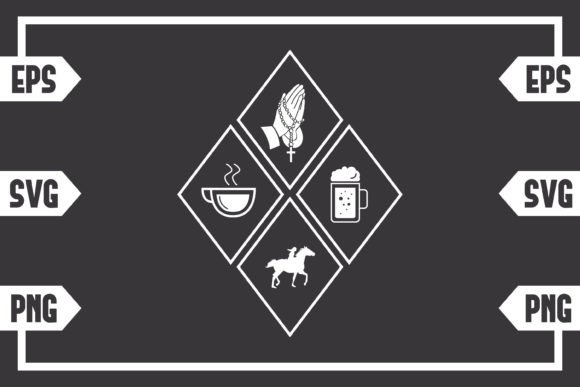
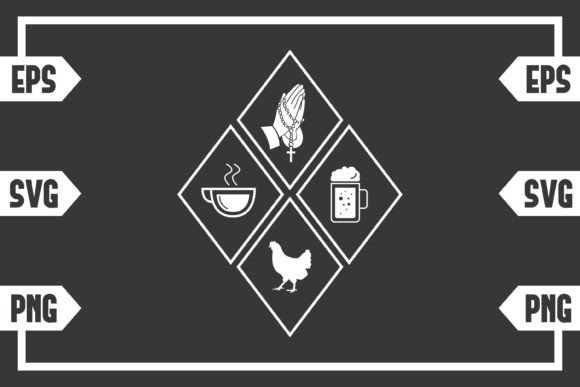
The design combines a coffee cup, a religious figure reference, a beer element, and a hen in a single composition. The mood is playful, unexpected, and conversation-starting. It is not a delicate, minimalist line drawing. It has character. The layout feels balanced but not stiff, with enough room for each element to breathe. The visual personality leans into humor and warmth, making it ideal for a customer who wants a gift that says something personal without being overly sentimental. The lines are clear, and the shapes are distinct enough that they should translate well into an embroidery file after proper digitizing.
Because the product is listed as a digital download with an SVG file for Cricut, Silhouette, Adobe Suite, Inkscape, and Corel, this is a graphics file, not a native machine embroidery design. That means your first step is to convert or digitize it into a usable embroidery file for your machine. For a designer or small shop owner, this is an opportunity to control the stitch quality, density, and thread colors from the start. I always recommend testing the conversion on a small sample before committing to a full production run.
Real Project Scenario: A Custom Embroidered Tote Bag
Let me walk you through a realistic use case. I recently prepared a run of custom embroidered tote bags for a local coffee shop that also sells craft beer and farm-fresh eggs. The Coffee Jesus Beer and Hen design was a natural fit. The shop owner wanted something memorable for their weekend market booth. I started by digitizing the SVG into a machine embroidery design using a satin stitch for the outlines and a light fill stitch for the solid areas. The key was to keep the stitch density moderate so the design would not pucker on the medium-weight cotton canvas of the tote bags. I used a medium hoop size of 5x7 inches, which gave enough room for the full composition without crowding the edges. The result was a design that read clearly from a few feet away, exactly what you want for a tote bag design that will be carried around a busy market.
The reaction from customers was immediate. People laughed, pointed, and asked where they could buy one. That is the power of a design that tells a story. The hen added a rustic, farm-to-table feel that balanced the more irreverent elements. The coffee and beer references gave it broad appeal for morning and evening crowds. For a small shop product, this is gold. It creates engagement, which leads to sales.
Where Coffee Jesus Beer and Hen Performs Best
Based on my testing, this design shines on a variety of handmade products and custom apparel items. Here is where I have seen it perform well:
- Sweatshirt embroidery – The medium stitch density works beautifully on fleece and cotton blends. The design holds its shape and does not distort with the fabric's stretch.
- Embroidered patch – Because the design has clear outlines and distinct internal shapes, it digitizes cleanly as a patch. Use a tight satin stitch border and a tear-away stabilizer for best results.
- Apron embroidery – For kitchen or bar aprons, the design adds personality without being too large. It fits well on the front pocket area.
- Pillow cover – The design works as a decorative accent on a throw pillow, especially in a rustic or eclectic home decor setting.
- Tea towels – A smaller version of the design, scaled down slightly, makes a charming kitchen towel that sells well at craft fairs.
- Baby embroidery – Surprisingly, the hen element makes it appropriate for a playful nursery item if you tone down the beer reference. A baby onesie with just the hen and coffee cup could work for a coffee-loving parent.
- Holiday gifts – This design is not tied to any specific holiday, which makes it a year-round seller. It works for birthdays, housewarming gifts, and just-because presents.
- Boutique branding – For a small business that wants a quirky logo, this design could be adapted as a brand mark on tags, bags, or packaging.
- Printable mockup – Because it is an SVG, you can easily create printable mockups for your Etsy listings or social media posts. This helps customers visualize the design on a finished product before they buy.
Where to Use Carefully
Not every surface is right for this design. Here are the situations where I advise caution:
- Small hoop sizes – If your hoop is smaller than 4x4 inches, you will need to scale the design down significantly. At that size, the hen and the lettering may lose detail. I recommend testing a scaled version before committing to a production run.
- Textured fabrics – Fabrics like bouclé, chenille, or heavy fleece with a high nap can obscure the fine details. The satin stitch outlines may get lost in the texture. Stick to smoother fabrics for the best clarity.
- Thin or stretchy fabric – Lightweight knits and jersey fabrics can puckers under the stitch density of this design. Use a cut-away stabilizer and reduce the density slightly if you plan to embroider on t-shirts or baby onesies.
- Dark fabric – The design relies on clear contrast between the elements. If you are stitching on dark fabric, choose thread colors that pop. A white or cream thread for the hen and coffee cup works well, but test first to ensure the beer element is still readable.
- Curved surfaces like caps – The design has a wide horizontal layout, which can be tricky to fit on a curved cap front. You may need to adjust the shape or use a smaller hoop and a curved cap frame.
- Dense stitch areas – If you digitize the fill areas with too high a stitch density, the design can become stiff and heavy. This is especially important for items that need frequent washing, like kitchen towels or baby clothes. Keep the density moderate and use a soft stabilizer.
- Products that need frequent washing – For items that will be washed often, like aprons or tea towels, use a high-quality thread and a stable backing. The design should hold up well, but I always recommend washing a test sample first to check for shrinking or distortion.
Visual Appeal, Product Value, and Customer Trust
When you sell a finished product featuring Coffee Jesus Beer and Hen, you are selling more than a design. You are selling a mood, a laugh, a conversation piece. Handmade presentation matters. The stitching must be clean, the thread colors must complement each other, and the placement must be intentional. A well-executed embroidery on a sweatshirt or tote bag elevates the perceived value of the item. Customers are willing to pay more for a product that feels personal and thoughtfully made. This design, when stitched with care, communicates that you put effort into your craft. It builds brand consistency and customer trust, especially if you offer it as a personalized gift option.
From an Etsy seller perspective, this design has strong giftability. It appeals to people who appreciate humor, coffee culture, and a bit of irreverence. The recognition factor is high because the elements are familiar and relatable. I have seen similar designs perform well in the craft business space, especially when marketed as a unique gift for a hard-to-shop-for person. The design also lends itself well to commercial embroidery projects, such as small runs for local cafes or breweries.
Practical Embroidery Designer Notes
Before you run this design on a paying customer's item, do yourself a favor and follow these steps:
- Test on scrap fabric first. Use the same fabric type you plan to use for the final product. Check stitch tension, thread breaks, and overall appearance.
- Check thread color contrast. The design has multiple elements that need to be distinct. Choose thread colors that do not blend into each other. A dark brown for the coffee, a gold for the beer, and a white or light gray for the hen work well.
- Review stitch density. If you are digitizing the design yourself, keep the density moderate. Too dense and the fabric will pucker. Too sparse and the design will look unfinished.
- Confirm hoop size. The design as shown may require a 5x7 hoop or larger. If you only have a 4x4 hoop, you will need to scale it down or split the design into multiple hoops.
- Inspect small details. The hen's comb, the coffee cup handle, and the beer foam are all areas that could lose detail at small sizes. Zoom in on your digitizing software and make sure every element is clearly defined.
- Test in black and white mockups. Before you thread a single needle, create a black and white printable mockup to check the overall composition and scale. This helps you catch layout issues early.
- Compare light and dark fabric backgrounds. This design works on both, but the thread colors will need to be adjusted. On dark fabric, use lighter thread colors. On light fabric, you can use bolder, darker colors.
- Use proper stabilizer. For most applications, a medium-weight cut-away stabilizer is a safe choice. For stretchy fabrics, use a sticky stabilizer or a cut-away with a fusible backing.
- Confirm licensing before selling. Because this is a digital embroidery file or graphics file, check the licensing terms included with your purchase. Some designs allow commercial embroidery and selling of finished products, while others restrict usage. Do not assume you can sell finished items without verifying. If the license is unclear, contact the seller for confirmation.
- Keep a backup of the original SVG. You may need to revisit the design for future projects or adjust the layout for different hoop sizes. The SVG is your source file, and losing it means losing the ability to make changes.
Final Thoughts on Coffee Jesus Beer and Hen
This is a design that rewards thoughtful preparation. It is not a set-it-and-forget-it graphic. The humor is its strength, but the execution is what makes it a saleable product. Whether you are stitching it on a sweatshirt for a holiday gift, an apron for a local cafe, or a tote bag for your Etsy shop, take the time to digitize it well, test it thoroughly, and present it with pride. Your customers will notice the difference. And if you get the details right, Coffee Jesus Beer and Hen will become one of those designs that keeps selling, season after season.